

Simple Errors During Setup Can Lead to Leaks, Poor Heating, and Safety Problems
Many problems during water heater installation come from small setup errors that turn into big issues later. The most common mistakes include choosing the wrong unit size, poor venting, bad water line connections, weak drain pan planning, and unsafe gas or electrical work. In Grass Valley, CA, these mistakes can lead to leaks, high energy use, and a water heater that does not last as long as it should.
Quick Answer
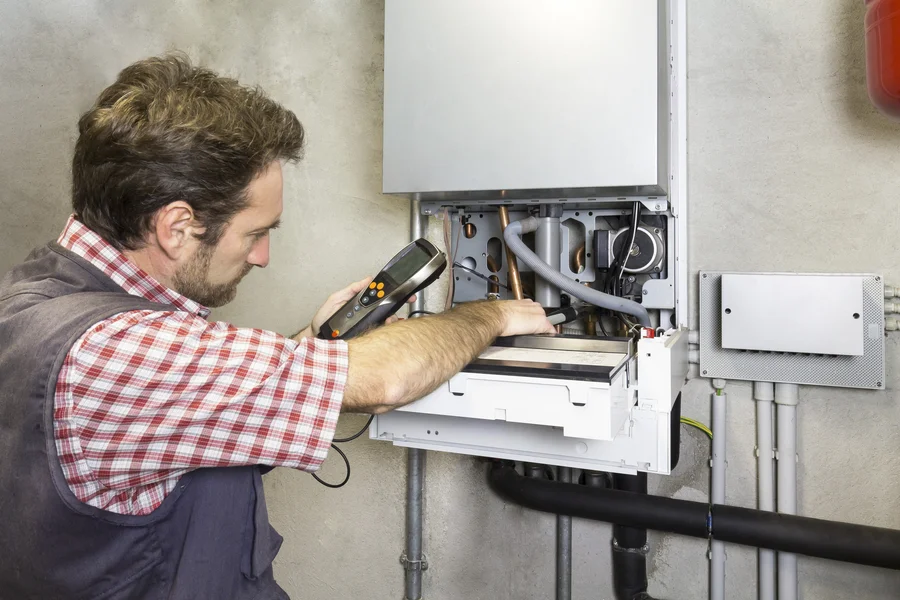
If you want to avoid trouble, the best approach is to plan the job well before any tank or tankless unit is set in place. A lot of installation problems happen because people rush. They may skip local code checks, use the wrong pipe fittings, or place the unit where service access is too tight. A safe setup needs correct sizing, solid connections, proper venting, and careful testing before full use. Even in a general service category, the details matter a lot.
What You Need Before Starting
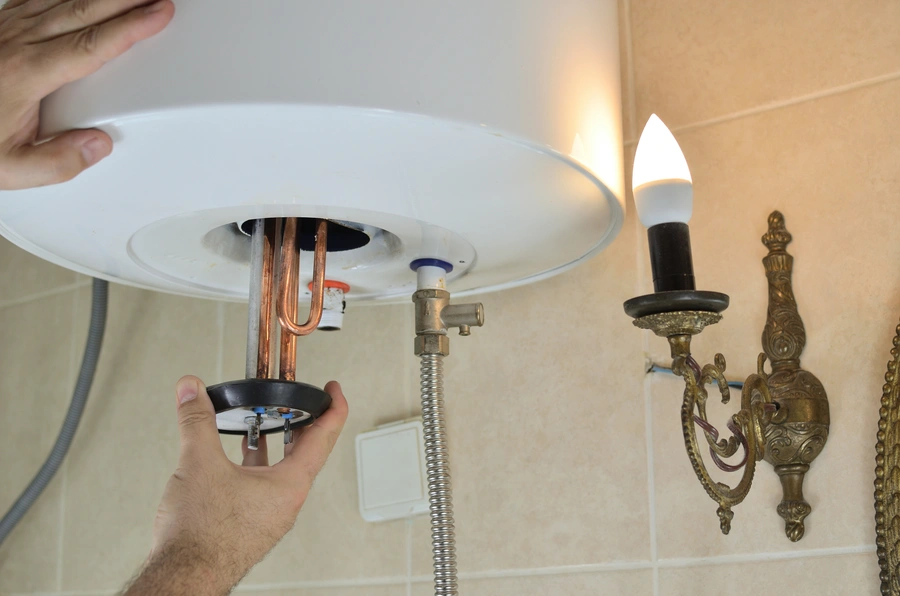
Before any water heater installation begins, it helps to gather key facts about the home and the unit. This step can prevent many common errors. For example, a family of five may need a different tank size than a small household. A gas system also needs different planning than an electric one. If the wrong type is picked, the heater may struggle every day.
- The right size for hot water demand
- Correct fuel type or power supply
- Space for the unit and service access
- Proper venting path for gas models
- Drain pan and drain line needs
- Shutoff valve and pressure relief valve check
- Local code rules and permit needs
Skipping even one of these items can cause trouble after the unit is turned on. A heater may work at first, but hidden problems often show up later.
Step-by-Step Process
A clear process helps lower the chance of mistakes. While each home is different, most jobs follow the same basic order.
- Check the old setup and measure the space.
- Confirm the new unit matches the home’s needs.
- Turn off water, power, or gas before removal.
- Remove the old unit carefully and inspect nearby lines.
- Set the new heater level and in the right position.
- Connect water lines with the correct fittings.
- Install the pressure relief valve and discharge line.
- Set up venting or electrical wiring the right way.
- Fill the tank and check for leaks.
- Test heating, water flow, and safety parts.
Problems often happen when one of these steps is rushed or skipped. For instance, turning power on before a tank is full can damage heating parts in some electric units.
Common Mistakes to Avoid
One major mistake is picking a heater that is too small. This leads to frequent hot water shortages. Another common issue is poor venting on gas units. If the vent slope or material is wrong, harmful gases may not leave the home as they should. That is a serious safety risk.
Bad pipe connections are also common during water heater installation. Mixing the wrong metals without proper connectors can lead to corrosion. Loose fittings can create slow leaks that damage floors and walls over time. Some people also forget to test water pressure. If pressure is too high, it can strain the heater and shorten its life.
Another mistake is placing the heater in a hard-to-reach spot. A tight corner may seem fine at first, but later service becomes much harder. Poor placement can also make it tough to reach shutoff valves in an emergency. Drainage gets missed too. Without a good drain pan or path for water, a small leak can turn into major property damage.
For electric models, wrong wire size or weak connections can cause the unit to fail or trip breakers. For gas models, poor gas line work can create fire and health hazards. These are not small errors. They need careful attention every time.
When to Call a Professional
Some homeowners can handle basic prep, like clearing the area or checking the unit size. But many parts of water heater installation involve safety rules and local code needs. Gas lines, venting, electrical work, and pressure relief systems all need exact handling. If you are not fully sure about one of these steps, it is smart to get expert help.
You should also call a professional if the old setup had leaks, rusted fittings, past venting issues, or signs of water damage. Those signs often point to bigger hidden problems. A new heater placed on top of an old problem may not perform well for long.
Final Recommendation
For long-term results, treat water heater installation as more than just swapping one unit for another. Good planning, safe setup, and full testing all matter. A well-installed heater should provide steady hot water, lower the risk of leaks, and help the system last longer. If you want help with a setup in Grass Valley, CA, reach out to us at (530) 414-6434. At Davis Plumbing, we can inspect the space, explain your options, and help with a safe, clean installation.