

Simple Ways to Pick Pipe, Fixture, and Water Line Materials That Fit the Home
To choose the right materials for new construction plumbing, start with the home’s size, water use, local code rules, and long-term goals. Then compare pipe types, fixture quality, and drain system parts by strength, cost over time, and repair needs. A good choice is not just about what works today. It should also help the building stay safe, efficient, and easier to service later.
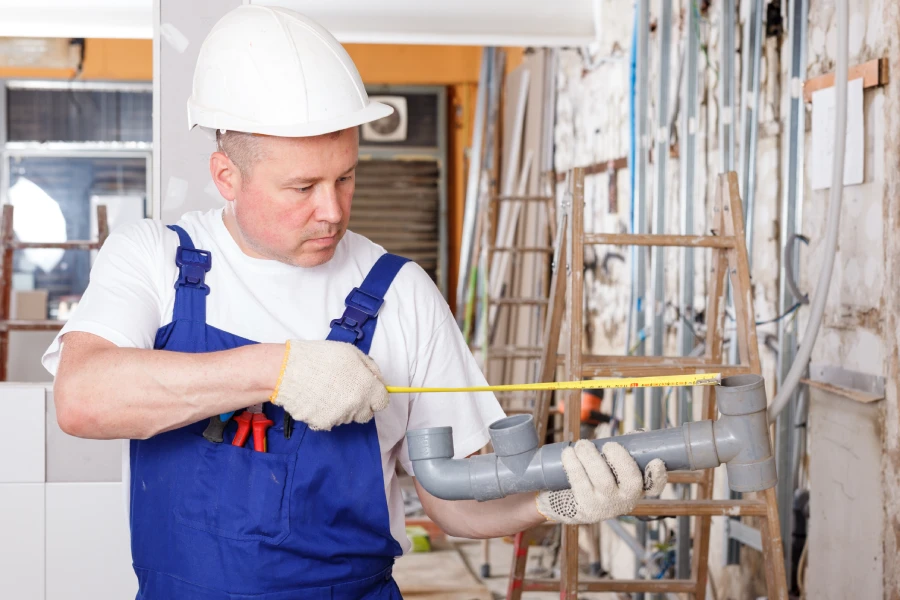
What You Need Before Starting
Before picking any plumbing material, gather the basic project details. This helps avoid change orders, slowdowns, and part swaps during the build. Material choice in new construction plumbing should match the building plan, not just a general idea.
Start with a few key questions. How many bathrooms will the home have? Will it need a large water heater? Are there long pipe runs from the meter to the farthest fixture? Will the property have hard water? These answers affect what materials make sense.
- Floor plan and fixture count
- Local plumbing code requirements
- Water quality report if available
- Budget for install and future repairs
- Climate conditions and freeze risk
- Expected lifespan of the building systems
If the builder is also planning other work in the service category, line routing should be checked early so plumbing does not fight for space with framing, HVAC, or electrical runs.
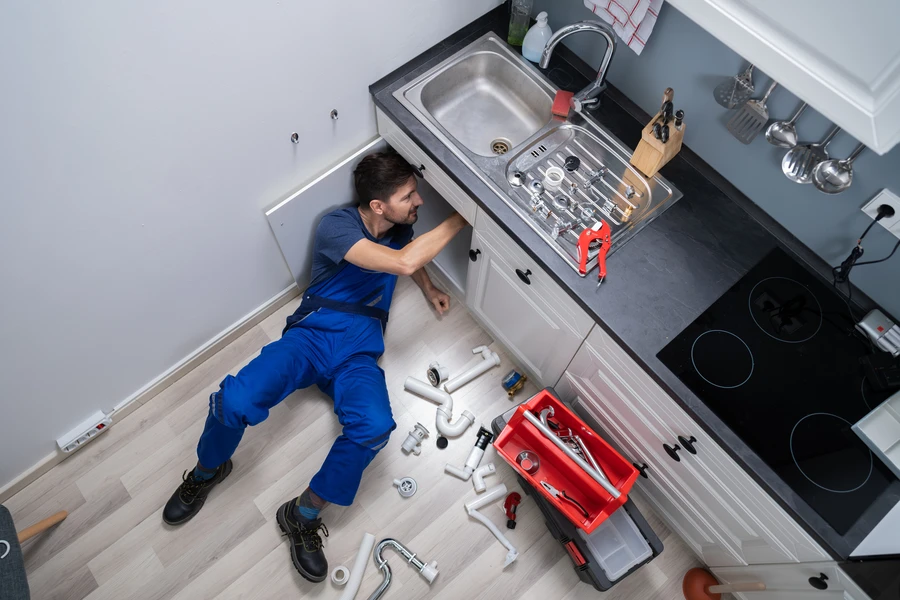
Step-by-Step Process for Choosing Materials
A simple process can make material selection much easier. Instead of picking parts one by one, work from the main supply lines to the final fixtures.
- Check local code. Some areas limit certain materials or require specific pipe sizes.
- Review the water source and water pressure. This affects supply pipe choice.
- Choose supply piping based on durability, install access, and repair needs.
- Pick drain, waste, and vent materials that fit the layout and code rules.
- Select fixtures and shut-off valves that are easy to service later.
- Match connectors, fittings, and supports to the same system.
- Think about future access behind walls, under sinks, and near mechanical spaces.
For water supply lines, many builders compare PEX and copper. PEX is flexible, fast to install, and works well when many turns are needed. Copper is strong and time-tested, but it can take more labor and may cost more. In some homes, a mix of materials may be used where local code allows it.
For drain lines, PVC and abs are common choices. Both are used in many new builds. The better fit often depends on local code, inspector preference, and the rest of the drain system design. The goal is a drain setup that moves waste well and stays easy to maintain.
Common Mistakes to Avoid
Many problems in new construction plumbing start with a material choice that looked fine on paper but did not match the real job. Small mistakes early can lead to leaks, noise, poor pressure, or hard repairs later.
- Choosing the cheapest pipe without thinking about lifespan
- Mixing materials without the right fittings
- Ignoring local water quality
- Using low-grade shut-off valves or connectors
- Forgetting access to key plumbing parts
- Picking fixtures before checking rough-in needs
- Not planning for expansion, movement, or freeze areas
Another common mistake is focusing only on the main pipes. Valves, stub-outs, fixture connectors, and drain fittings matter too. A strong system is only as good as its weakest part. Good materials across the full system often save trouble later.
How Different Home Needs Affect the Best Choice
Not every home needs the same plumbing setup. A small starter home may do well with standard, efficient materials that are easy to install and service. A larger custom home may need higher-capacity lines, longer runs, better noise control, and more careful fixture planning.
For example, a one-story home with short pipe routes may allow simpler planning. A two-story home with several bathrooms needs more thought about pressure balance, drain routing, and hot water delivery time. If the owner wants a soaking tub, body sprays, or an outdoor kitchen, material and sizing decisions become more important.
Water quality also matters. Hard water can wear out some parts faster. In that case, it helps to choose materials and fixtures that hold up better under mineral buildup. In colder areas, pipes in attics, crawl spaces, or outside walls need added planning to lower freeze risk.
When to Call a Professional
It makes sense to get professional help when the project has custom features, code questions, or a large plumbing load. Material choices are easier when someone reviews the whole system, not just one room at a time.
You should call a professional if:
- You are not sure which materials are allowed by code
- The home has long pipe runs or many fixtures
- You want better energy or water efficiency
- The project includes high-end fixtures or special plumbing features
- You need help planning for repairs and access points
- You want the system sized correctly from the start
A plumbing professional can also help choose materials that fit both the build schedule and long-term service goals. That can reduce callbacks and help the finished home perform better for years.
Final Recommendation
For most projects, the right path is to choose materials based on code, layout, water conditions, and future service needs instead of price alone. Good new construction plumbing should be durable, easy to maintain, and well-matched to the home’s design. If you want help planning a system in Grass Valley, CA, contact us for guidance. At Davis Plumbing, we can review your build goals and help you choose materials that fit the project well. Call us at (530) 414-6434 to get started.