

The Way a Unit Is Set up Can Raise or Lower Monthly Energy Use
How water heater installation affects energy use comes down to a few simple things. If the unit is the right size, placed in a good spot, connected well, and set to the right temperature, it will usually use less power or gas. A poor setup can waste energy every day. In homes around Grass Valley, CA, that can mean higher utility bills, slower hot water, and more wear on the system.
Quick Answer
water heater installation affects energy use by changing how hard the system has to work. A heater that is too small may run too often. One that is too large may heat more water than a home needs. Bad pipe layout, weak insulation, and poor venting can also lead to energy loss. Even small setup choices can change how much energy a household uses over time.
What You Need Before Starting
Before any water heater installation begins, it helps to look at the home’s hot water needs. Think about how many people live there, when hot water gets used most, and what fuel source the home has. Gas and electric models work in different ways, and tankless systems have different demands than standard tank units. The service category keyword may be blank here, but the job still falls under home system planning and setup.
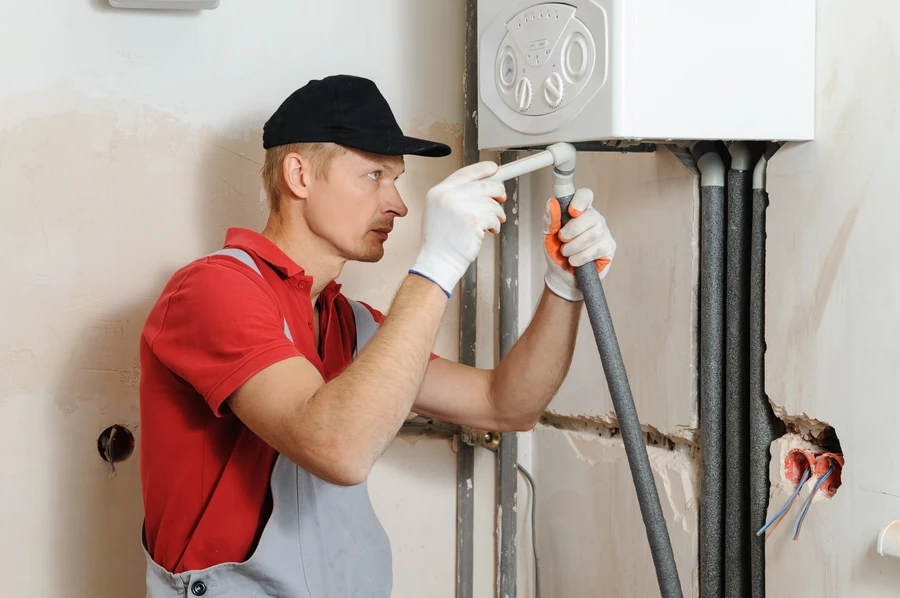
You also need to check the space around the unit. A heater in an unheated garage or cold basement may lose more heat. Long pipe runs can also waste energy because hot water cools down before it reaches a shower or sink. Local code rules, vent paths, drain pans, shutoff valves, and power supply all matter too.
Step-by-Step Process
A smart setup follows a clear path. Each step can help lower waste and improve daily performance.
- Pick the right type of heater for the home.
- Choose a size that matches daily hot water use.
- Place the unit close to the rooms that use the most hot water.
- Check that gas, electric, and vent connections fit the unit’s needs.
- Insulate hot water pipes when possible.
- Set the thermostat to a practical temperature, often around 120 degrees.
- Test water flow, pressure, and recovery time after setup.
Each part of this process affects energy use. For example, a heater placed far from bathrooms may force people to run water longer while they wait for it to warm up. That wastes both water and energy. Pipe insulation can help hold heat inside the line so the heater does not need to reheat water as often.
Common Mistakes to Avoid
One common mistake is choosing a unit by guesswork. People may buy a bigger tank thinking it will save trouble, but a larger tank can cost more to heat all day. Another mistake is placing the unit wherever there is extra room, even if that spot is cold or far from the main fixtures.
Other problems happen during setup:
- Loose connections that let heat escape
- Long pipe runs with no insulation
- Wrong thermostat settings
- Poor vent setup on gas models
- Skipping basic testing after the install
These issues can make the heater run longer than needed. Over time, that adds stress to burners, heating elements, and other parts. A system that works harder often wears out sooner.
When to Call a Professional
Some parts of water heater installation are not simple do-it-yourself jobs. Gas line work, venting, electrical hookups, and code checks all need care. A professional should also step in if the home has older plumbing, low water pressure, odd temperature swings, or limited space for the unit.
Professional help can also make sense when energy use is already high and the cause is not clear. In some homes, the main problem is not the heater itself. It may be poor pipe layout, heat loss in the lines, sediment in the tank, or a unit that is too old for the household’s needs. A trained installer can spot those issues and help the system run in a more efficient way.
Why Small Installation Details Matter
Many people think energy use depends only on the brand or age of the heater. That is only part of the story. Installation details shape how the unit works every day. A well-placed heater with short insulated pipes may deliver hot water faster and with less waste. A badly placed one may waste energy every morning and every night.
Temperature settings matter too. If the water is set too high, the heater uses more energy and may raise safety risks. If it is set too low, people may use more hot water trying to get the temperature they want. The goal is steady, useful heat without extra strain on the system.
Final Recommendation
If you want lower energy use, do not think only about the heater model. Think about the full water heater installation plan. The right size, location, pipe setup, and settings all help. A careful install can cut waste, improve comfort, and help the system last longer.
Get Help With the Next Step
For homeowners in Grass Valley, CA, we can help review the setup and spot energy waste. At Davis Plumbing, we focus on practical fixes that fit real household needs. Call us at (530) 414-6434 if you’d like us to take a look and help you choose a better path for your next water heater installation.