

What to Check Before You Start Any New Pipe or Fixture Work
Before any plumbing installation, check the layout, water pressure, pipe type, drain access, permits, and the age of your current system. You should also think about how the new work will affect daily use, future repairs, and water savings. If you plan ahead, the job is smoother, safer, and less likely to lead to leaks or damage later.
Quick Decision Answer
If you are planning plumbing installation, the best choice depends on your home’s setup, your budget for long-term value, and the kind of fixture or pipe being added. A simple swap, like a new faucet, is very different from adding a new shower, sink, or water line. The main goal is to match the new work to your home’s plumbing system so everything works well together.
Option a Vs Option B Criteria
Many people compare keeping part of the old system versus replacing more of it during plumbing installation. In some homes, using existing lines can save time. In others, older pipes may cause low pressure, leaks, or rust stains. Another common choice is between basic fixtures and higher-efficiency models. The better option depends on how often the fixture will be used, how old the pipes are, and how easy it will be to service the area later.
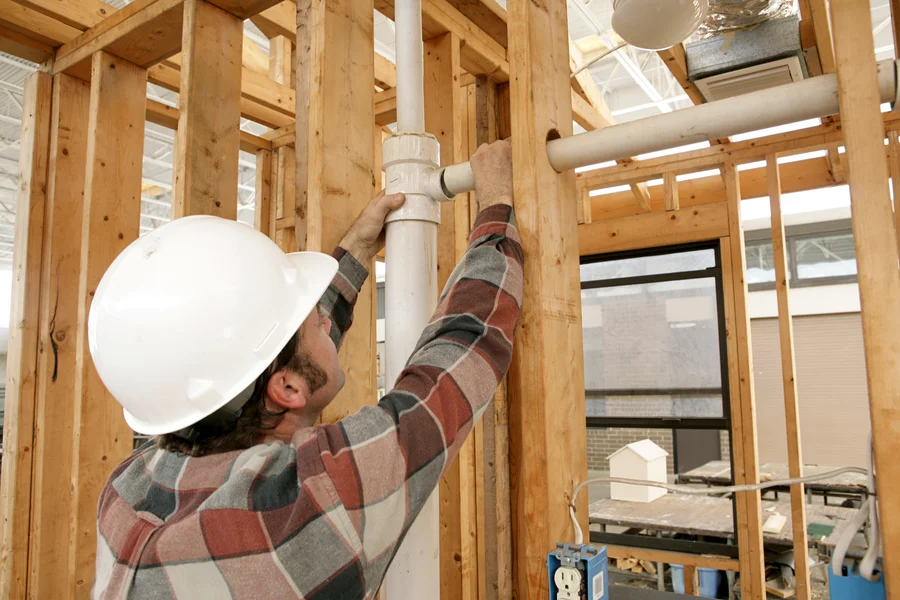
You should also compare materials. Copper, PEX, and PVC each have different uses. PEX is flexible and works well in many supply line jobs. Copper is strong and long-lasting. PVC is often used for drain lines, not water supply in many cases. The right service category keyword can vary by project, but the material still needs to fit local code and the job itself.
Pros and Cons List
Here are some simple pros and cons people often weigh before plumbing installation:
- keeping existing lines: lower upfront work, but old parts may fail sooner
- replacing old pipes: more work now, but fewer repair worries later
- basic fixtures: lower cost and simple design, but fewer features
- efficient fixtures: lower water use, but some models cost more at the start
- easy-access install areas: faster service and repairs
- tight wall or slab areas: harder access and more labor during future fixes
A good choice is not always the cheapest one today. It is the option that fits the home and avoids repeat problems.
Best Fit by Scenario and User Need
If you are updating one bathroom in a newer home, plumbing installation may be fairly simple if the pipes are in good shape. If you live in an older house, it may make more sense to inspect the nearby lines before adding a new sink, toilet, or tub. A family that uses one bathroom heavily may want stronger fixtures and easier-to-clean parts. A homeowner planning to sell may prefer clean, reliable upgrades that appeal to buyers.
For kitchens, think about how you cook and clean. A deeper sink, better shut-off valves, or a new water line for an ice maker can help daily life. For laundry rooms, check drainage, standpipe height, and hose access. For outdoor work, like a hose bib or utility sink, think about freeze risk and shut-off access if weather in Grass Valley, CA gets cold.
Mistakes People Make When Choosing
One common mistake is choosing fixtures before checking the plumbing behind the wall. A new sink may look great, but the drain location, water line spacing, or cabinet depth may not match. Another mistake is ignoring water pressure. Some fixtures need steady pressure to work right. If pressure is too low, the result can be weak flow and poor performance.
People also forget about future access. If shut-off valves, cleanouts, or supply lines are hard to reach, even a small repair can become a big hassle. Another problem is mixing materials the wrong way or using parts that do not meet code. Small errors during plumbing installation can lead to leaks, mold, and wall damage over time.
Final Decision Checklist
Before moving forward, use this checklist:
- check the age and condition of current pipes
- measure the space for the new fixture or line
- confirm water pressure and drain capacity
- pick materials that fit the job and local code
- make sure shut-off valves and access points are easy to reach
- think about long-term cleaning and repair needs
- ask if permits or inspections are needed
- compare short-term savings with long-term reliability
This kind of planning helps you avoid surprises once the work begins. It also helps you choose a setup that fits your home, not just the product on the shelf.
When Professional Help Makes Sense
Some jobs are fine for basic planning, but many parts of plumbing installation need trained work. This is true when pipes must be moved, walls opened, drains resized, or new water lines added. It also matters when the home has older plumbing, past leak damage, or signs of poor water flow. A professional can spot hidden issues before they turn into expensive repairs.
Code rules also matter. A small change can affect venting, slope, shut-offs, and fixture spacing. Getting those details right helps the system run safely and smoothly. If you are not sure what is behind the wall or under the floor, help from an expert is often the safer choice.
Final Recommendation
If you are planning plumbing installation in Grass Valley, CA, we can help you sort through the best options for your home. At Davis Plumbing, we focus on clear answers and solid work from start to finish. Call us at (530) 414-6434 to talk with our team and schedule the next step.