

A Simple Walkthrough of the Visit From Start to Finish
If you have a plumbing installation appointment coming up, you can expect a clear process that starts with a review of the work area, followed by setup, removal of old parts if needed, the new fixture or pipe installation, testing, and cleanup. In many homes in Grass Valley, CA, the visit is smooth when the area is easy to reach and someone is available to answer a few questions. Knowing the basic steps ahead of time can help you feel ready and avoid delays.
Quick Answer
A plumbing installation visit is usually about checking the job, getting the space ready, doing the install, and making sure everything works the right way before the technician leaves. This may involve sinks, faucets, toilets, water lines, drains, or other parts of your plumbing system. Some jobs are fast, while others take longer if there is damage, old hardware, or a hard-to-reach pipe. The goal is to complete the work safely and leave you with a working fixture or system.
What You Need Before Starting
A little prep can make the appointment easier. Before the technician arrives, clear the space around the work area. If the job is under a sink, move out cleaners, trash cans, and stored items. If the work is near a water heater or basement line, make a path so tools and materials can be carried in without trouble. If you live with pets or small children, keep them away from the work zone during the visit.
It also helps to have a few details ready. You may be asked when the issue started, if there have been past leaks, or if you have noticed low water pressure, slow drains, or strange sounds. If this plumbing installation is part of a larger home update, share that too. Even if the service category keyword is not listed here, the work may still connect with other home service needs, so clear details can help avoid mix-ups.
Step-by-Step Process
Most plumbing installation appointments follow a basic order. The exact steps depend on the job, but this is what many homeowners can expect:
- The technician looks at the work area and confirms the job.
- The water may be shut off to the home or just one fixture.
- Old parts, lines, or fixtures are removed if needed.
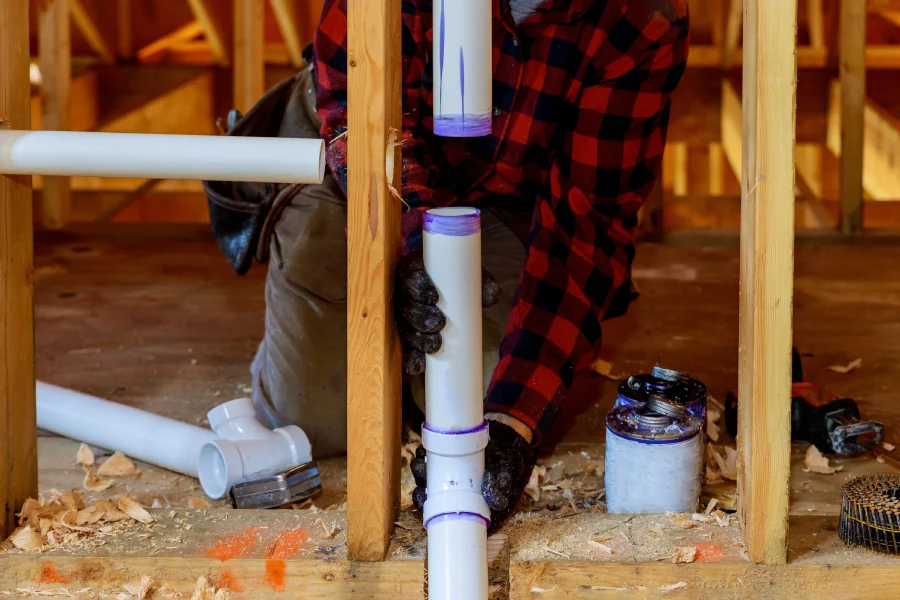
- The new item is placed and connected.
- Seals, fittings, and supply lines are tightened and checked.
- The water is turned back on for testing.
- The technician checks for leaks, pressure, drainage, and proper use.
- The area is cleaned up and the results are explained to you.
For example, if you are getting a new kitchen faucet, the old faucet is taken out first. Then the new faucet is mounted, supply lines are attached, and the sink is tested for leaks. If the job is a toilet install, the base, seal, tank, and water line all need to be set and checked. For pipe work, testing may take extra time to make sure joints hold and water flows the right way.
Common Mistakes to Avoid
One common problem is not clearing enough space. A crowded cabinet or blocked hallway can slow the job down. Another mistake is skipping details when booking the appointment. If you know there is an old shutoff valve that sticks, a past leak behind the wall, or a fixture that was installed wrong before, say so early. Small details can change the plan.
Some people also expect every job to have the same timeline. A simple faucet swap is different from installing a new drain line or moving water connections. Hidden wear, rust, bad seals, or old pipes can add extra work. It is also a mistake to use a new fixture right away if the technician says to wait a short time for sealing material to set. Following post-install directions helps the repair or install last longer.
When to Call a Professional
Some small home tasks look easy online, but many plumbing jobs need the right tools and training. It is smart to call a professional for plumbing installation when water lines need to be changed, when drains are involved, when a leak could cause damage, or when the new fixture must meet code rules. A pro should also handle jobs where the old parts are badly corroded, the shutoff valve does not work, or the install connects to a major appliance.
You should also get help if you notice signs that point to a larger issue, such as water stains, mold smells, weak water flow in more than one room, or repeated backups. A new fixture will not solve a hidden pipe problem. In that case, the visit may start as an install but turn into a larger plumbing check to find the real cause.
Final Recommendation
If you want your appointment to go well, make the area easy to reach, be ready to answer a few questions, and ask what to expect before the work begins. A good plumbing installation visit should leave you with a tested, working result and a clear idea of how to use and care for the new part. If anything seems unclear, ask before the technician leaves so you know what was done and what to watch for next.
Need Help With Your Next Appointment?
If you are planning service in Grass Valley, CA, we can help you know what to expect before the visit starts. At Davis Plumbing, we handle plumbing installation work with care and clear communication. Call us at (530) 414-6434 if you want to schedule a visit or ask questions about the next steps for your home.